
In a time when geopolitical tensions are rising and logistics chains are under pressure, the importance of rail freight transport is visibly growing. During the Rail Congress 2026, discussions with representatives from defense, ports, and logistics made it clear that rail plays a role not only in commercial goods flows but is also essential for the operational readiness of countries and allies.
Lieutenant General Jan-Willem Maas, commander of the Defense Support Command (DOSCO), put it aptly:
“The army views rail as a second army, due to its crucial role in moving equipment and supporting operations.” – According to Maas
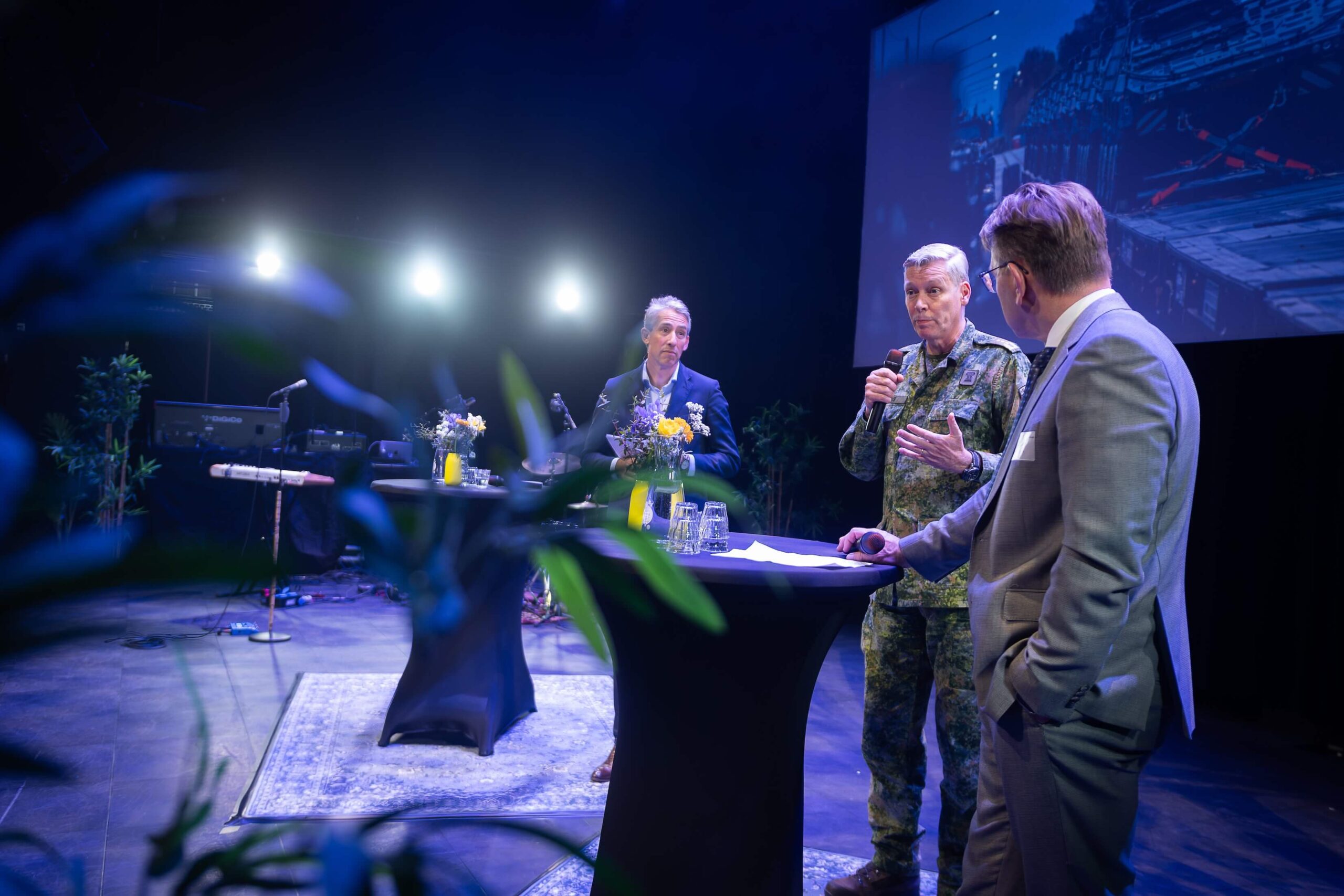
That observation touches upon a broader development. Within Europe, attention to military mobility is increasing, partly due to the changing security situation. The ability to move troops and equipment quickly and reliably is crucial in this regard. Rail plays a key role here, precisely because of its capacity, scale, and efficiency over long distances.
This movement is also becoming visible in policy. The Dutch government is working on measures to give military transport higher priority on rail, with the aim of always having sufficient capacity available in urgent situations. This aligns with broader European developments, in which infrastructure is increasingly approached from a so-called ‘dual-use’ perspective: systems that can be deployed for both civilian and military purposes.
The role of ports is crucial in this. Cas König, CEO of North Sea Port, emphasized the importance of a well-functioning connection between the port and the hinterland during the Rail Congress:
“The ability to move equipment and troops quickly depends to a large extent on the availability and reliability of the rail network. Especially in a context where geopolitical tensions are rising.”
“That infrastructure is truly designed for this. In Vlissingen, we have staging tracks directly at the quay, allowing equipment to be transferred directly from ship to train without first touching the ground. That significantly speeds up the process. At the same time, we have facilities that are continuously available to Defence. This demonstrates how intensive the cooperation is and how we have organized logistics to be able to switch gears quickly.”
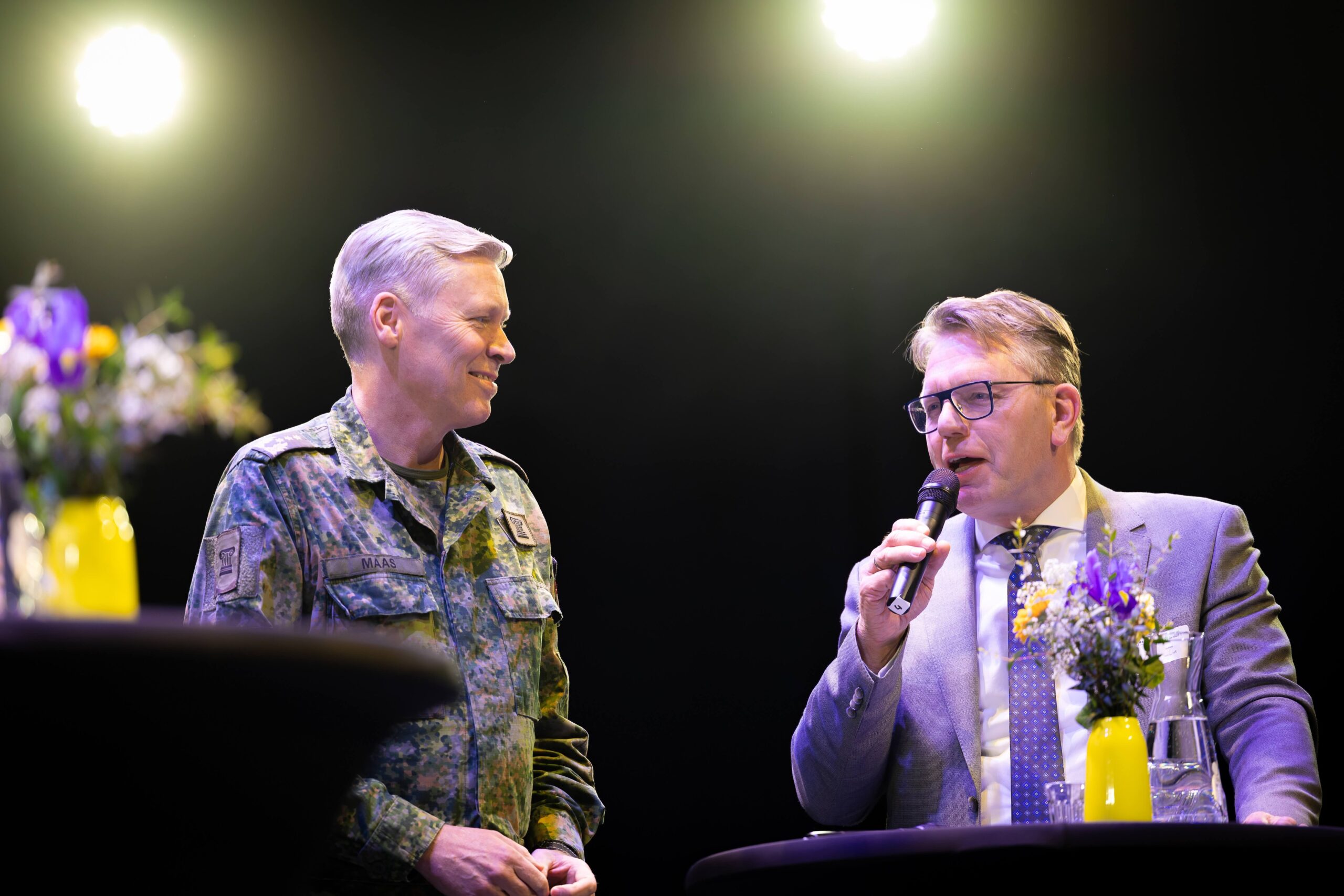
Within the international agreements surrounding Host Nation Support, ports play an important role in facilitating military logistics. This means that goods flows – both civilian and military – must be able to flow quickly towards the hinterland. Rail forms an indispensable link in this process. Without sufficient capacity and reliability on the rail network, that role comes under immediate pressure.
At the same time, the rail system itself is under pressure. Large-scale operations, capacity constraints, and increasing demand make it increasingly complex to handle all flows efficiently. This calls for better coordination between countries, infrastructure managers, and market parties.
Precisely for this reason, cooperation is becoming increasingly important. Not only within the sector, but also between public and private parties. As Maas emphasized during the congress:
“Cooperation between civilian and military parties is essential to be able to operate quickly and reliably in crisis situations.”
The challenge lies not only in investments, but also in choices. Where is capacity deployed? How are priorities determined? And how do you ensure that the system continues to function even under pressure? Lieutenant General Jan-Willem Maas addressed what resilience means in practice for organizations and logistics chains. According to him, this is not just about capacity, but above all about the ability to continue functioning during disruptions. As he put it:
“The question you have to ask yourself is: can your organization continue to function if something fails — 72 hours or longer? If not, you need to restructure your system.”

